Trang

Hiển thị các bài đăng có nhãn rubber. Hiển thị tất cả bài đăng

China synthetic rubber manufacturing industry, 2012


China synthetic rubber manufacturing industry, 2012 is valuable for anyone who wants to invest in the synthetic rubber manufacturing industry, to get Chinese investments; to import into China or export from China, to build factories and take advantage of lower costs in China, to partner with one of the key Chinese corporations, to get market shares as China is boosting its domestic needs; to forecast the future of the world economy as China is leading the way; or to compete in the segment. The report provides in-depth analysis and detailed insight into the synthetic rubber manufacturing industry, market drivers, key enterprises and their strategies, as well as technologies and investment status, risks and trends.
... ...

Read more:
http://www.sacbee.com/2012/03/22/4357835/china-synthetic-rubber-manufacturing.html
(ldtn)


Nguồn:  http://www.caosuviet.net/

Thailand’s Rubber Plan Delay Stretches Patience


A Thai woman hangs sheets of rubber in the rubber drying shack at a workshop in Rayong, Thailand.

The Thai government’s tardiness in kick-starting its planned THB15 billion ($488 million) rubber price-intervention scheme is keeping the bounce out of natural rubber prices, as confidence falters during the ongoing low-production season.
Mooted in January after a growers’ protest against falling prices, the buy-back scheme aims to push up raw material rubber prices to THB120 a kilogram, and is seen as a populist move to garner support for the current government in the major producing region of southern Thailand, a traditional stronghold of Thailand’s opposition Democrat Party.
The Thai government did not issue an official timeline on the implementation of the scheme, though which the government would buy rubber from growers to help boost the price. But some officials and trade participants expected to see movement on the plan by around mid-February. However, the market has yet to see any action even well into March, when output could fall by as much as 40%-50% due to seasonal factors.
The Director of the Office of the Rubber Replanting Aid Fund in Thailand, Wit Pratakjai, said the scheme is now expected to start at the end of March, as the legislative process is taking time.
“We had expected it to start sooner, but we need to follow legal processes,” said Mr. Wit, who added that the THB120/kg price target remains.
Thai Rubber Association President Pongsak Kerdvongbundit said he has no doubt that the government will keep its word but cited a “loss of confidence” in how delays are keeping prices depressed.
Current raw material (unsmoked sheet 3-grade) prices at the three central rubber markets are around THB109/kg. The announcement of the plan did give prices a push from the THB90/kg level before the protest, but prices are still below the government recommended floor rate, as global macroeconomic concerns have been dampening sentiment.
“Without the implementation of the plan, natural rubber prices may hit the THB120/kg level these few months (due to seasonal factors), but then because there are expectations that are not fulfilled, this becomes a bearish factor for the market and prices will be kept lower than their real levels, because buyers think they can get them at lower prices,” said Mr. Pongsak, who is also managing director of Von Bundit Co., Thailand’s top natural rubber exporter.
The delay is also allowing for too many rumors to float on the market, causing market uncertainty, he said. Growers expecting faster action from the government have also been stuck with stockpiles, though some sold them away in recent weeks to meet capital requirements.
“Everything is too slow,” said Mr. Pongsak, who urges speedier action in the implementation of the multi-million dollar scheme.

http://blogs.wsj.com/searealtime/2012/03/16/thailands-rubber-plan-delay-stretches-patience/ 
(ldtn)
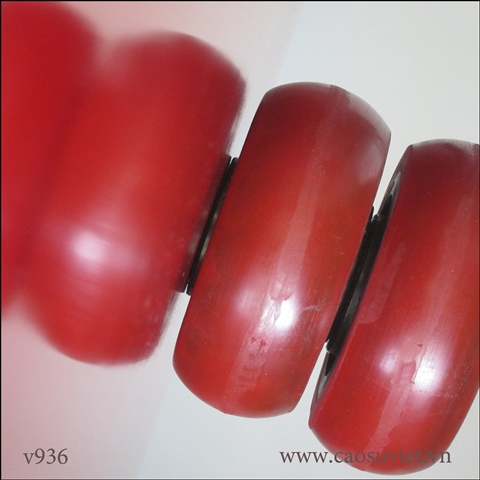
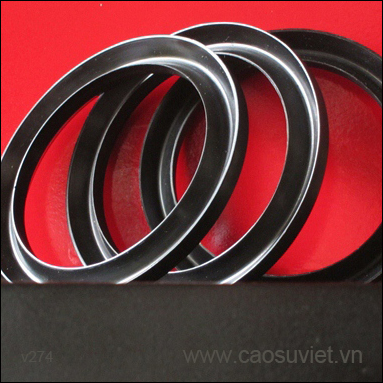
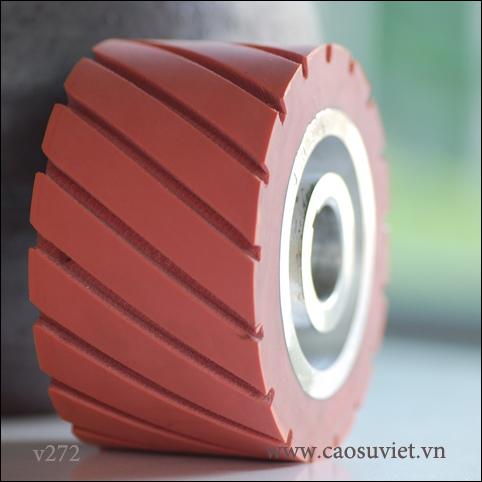
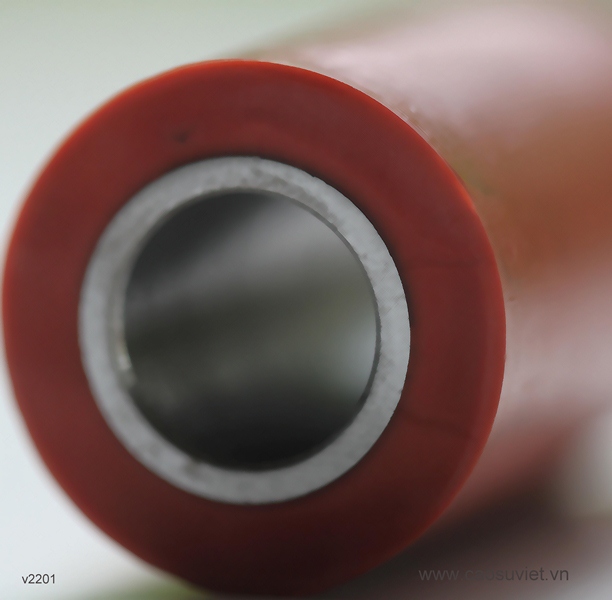
Rubber Oil Seals  SBR/NBR Rubber Roller
 

Rubber body seeks removal of anti-dumping duties


Bản tin được trích theo:  http://www.caosuviet.net/
The All India Rubber Industries Association (AIRIA) has sought removal of anti-dumping duties on import of raw materials stating it was making the industry uncompetitive. It also demanded an immediate import of 100,000 tonne natural rubber to bridge the supply-demand gap.

In its pre-Budget submission to the finance ministry, the industry body said levy of anti-dumping duties on carbon black and rubber chemicals had made products more expensive in comparison with imported finished ones. High interest cost and energy rates had led to many of the SME units closing their operations.

Similarly, the levy of anti-dumping duties on high styrene butadine rubber has made the Indian footwear products more expensive leading to a surge in import from Nepal, Sri Lanka and China.

On the other hand, all the rubber products are being imported into the country with normal rate of duty without facing any anti-dumping provision. With over 15,000 rubber products, it is difficult to prove the dumping charges and most of the manufacturers are small who do not have the resources to initiate the anti-dumping proceedings per the law. India has 5,000-plus small and tiny rubber based units.

It also said the ratio of natural rubber consumption was divided equally between tyre and non-tyre segments. However, the nontyre segment was fast ceding to the tyre segment.

“What is worrisome is the fact that not only the percentage of rubber consumption but even the absolute consumption by the small-scale non-tyre sector has dwindled over the years. The Rubber Board has also taken cognisance of this fact,” said Vinod Simon, president AIRIA.

According to him, the import of even those raw materials, which are not indigenously produced, is subjected to high rate of customs duty.

AIRIA has, therefore, sought waiver of customs duty on raw materials not manufactured domestically such as butyl rubber, SBR grade 1500/1700 and other hi-tech synthetic rubbers and polyester tyre cord.


Read more: 
http://www.business-standard.com/india/news/rubber-body-seeks-removalanti-dumping-duties/467234/
(ldtn)
natural rubber consumption was ...
natural rubber consumption was divided
equally between tyre and non-tyre segments